
ringgitplus2026-08-285 min read
Which Dental Treatments You Can Claim as Tax Relief
In Collaboration with Pugaleshwaran Raja Kumaran, Executive Director, Tax at ThinkTx
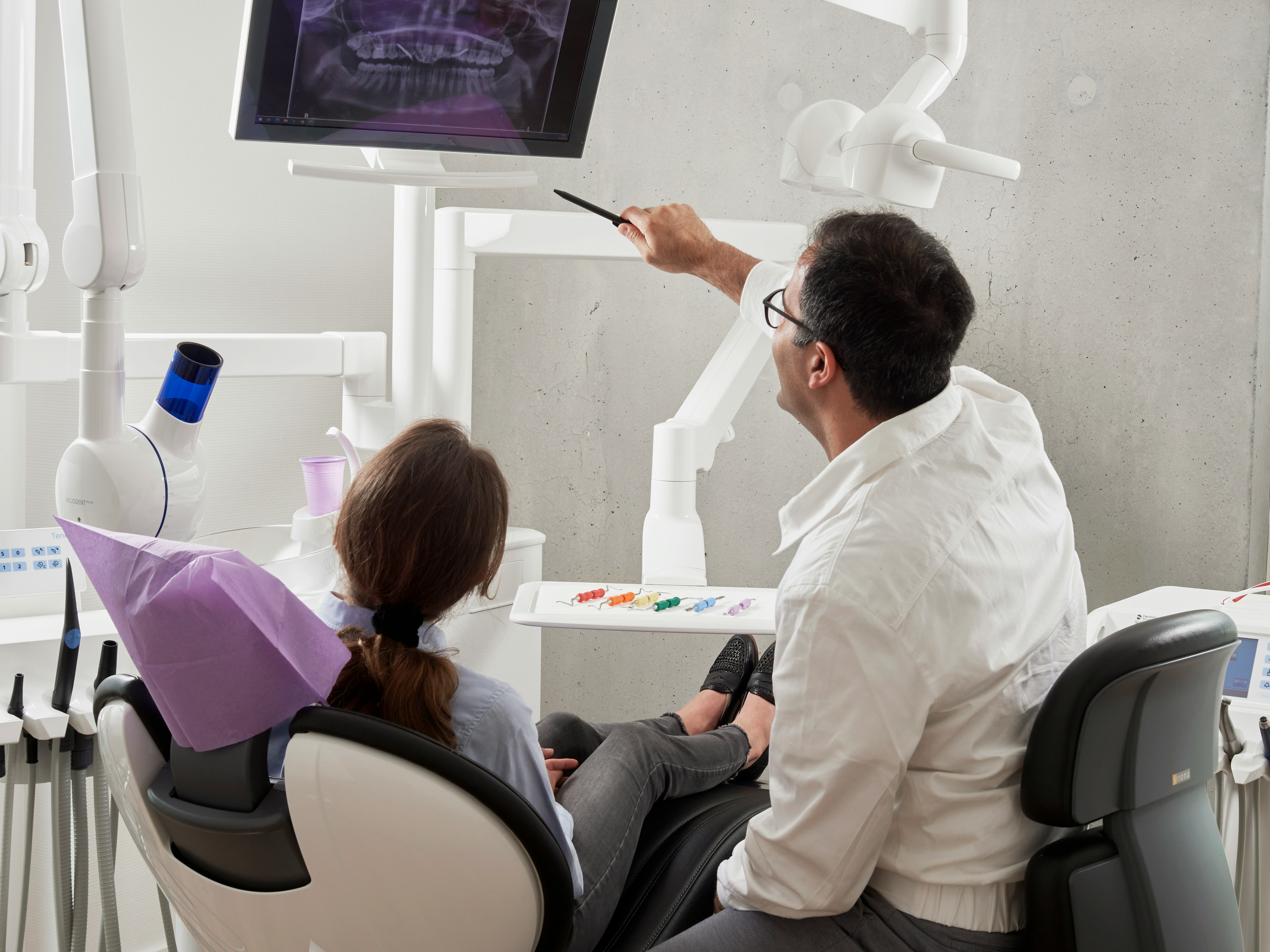
From the year of assessment (YA) 2024, you can claim up to RM1,000 a year in tax relief for dental examinations and treatment for yourself, your spouse, and your children, as long as the dentist is registered in Malaysia and, of course, that you keep the receipt.
The RM1,000 is not a standalone relief. It sits inside the wider RM10,000 medical expenses relief, and there are rules about which treatments count and who you can claim for.
How The Relief Fits Inside The RM10,000 Medical Cap
The dental relief is a sub-limit within the medical expenses relief (paragraph 46(1)(g) of the Income Tax Act 1967), which covers serious disease treatment, fertility treatment, vaccinations, and dental care up to a combined RM10,000 per year.
Within the RM10,000 limit, dental examination and treatment is capped at RM1,000. Vaccinations have their own separate RM1,000 cap. The two do not share a limit, so you could claim RM1,000 for dental work and another RM1,000 for a flu jab in the same year, provided your total medical claims stay within RM10,000.
LHDN’s own public ruling gives the example of Khadijah, who spends RM1,400 on dental treatment for her children but can only claim RM1,000. The extra RM400 gets no relief.
What Counts As Claimable Dental Treatment
The relief covers clinical dental work, meaning treatment your dentist carries out to examine, fix, or maintain your teeth. This includes routine check-ups, scaling and cleaning, fillings, and tooth extractions.
The treatment must be performed by a dental practitioner registered with the Malaysian Dental Council (MDC). It must be carried out in Malaysia, so dental work done overseas does not qualify. And you must have a receipt from the clinic to support the expense, ideally one that states the type of treatment and the clinic or dentist’s registration details.
Dental Treatment You Cannot Claim
If the purpose is to improve how your teeth look rather than treat a clinical problem, it is considered cosmetic dentistry and falls outside the relief. Teeth whitening and veneers are common examples.
Bigger procedures like root canals and dentures aren’t spelled out, so check with your dentist before you count on claiming them. For your parents, the same procedures are clearly covered under a separate relief, as the section below explains.
What About Braces?
Orthodontic treatment can be cosmetic, but it can also be clinically necessary, for example to correct a misaligned bite that affects chewing or speech.
If yours was recommended for a clinical reason, ask your dentist to note that on your receipt or in a supporting letter, and keep both. That documentation is what supports your claim if LHDN ever asks.
Claiming For Your Spouse And Children
The relief covers dental treatment for yourself, your spouse, and your children, all within the same RM1,000 cap. It is one shared limit, not RM1,000 per person. If you spend RM600 on your own check-up and fillings and RM700 on your child’s, you can still only claim RM1,000 in total.
Do note that the receipt matters here. LHDN generally allows a claim only by the person who incurred the expense, so if you are paying for a family member’s treatment and intend to claim it, make sure the receipt is issued in your name.
Your Parents’ Dental Bills Fall Under A Different Relief
Paying for your parents’ dental treatment does not come under the RM1,000 relief at all. It falls under a separate relief for parents’ medical treatment (paragraph 46(1)(c) of the Income Tax Act 1967), which has a much higher cap of RM8,000 per year.
For parents, LHDN’s public ruling states that dental treatment covers all types of dental examinations and treatments, including tooth extraction, fillings, scaling and cleaning, dentures, root canal treatment, tooth replacement, and dental repairs. Several of those, such as dentures and root canal treatment, are far more common for elderly parents than for working adults.
From YA 2025, this relief extends to your grandparents too. The same conditions apply as for your own claim, and your parents or grandparents must be resident in Malaysia.
Here is how the two reliefs compare at a glance. Kindly refer to table in the link below.
The RM8,000 parental cap is shared with other qualifying expenses such as medical treatment, nursing home care, and carer costs, so heavy medical spending on your parents in the same year will eat into the room available for dental claims.
Receipts And How To File
Keep every dental receipt for seven years. LHDN does not require you to submit receipts when you file, but it can ask for them later if your return is selected for an audit, and a claim you cannot back up will be disallowed.
When you file through e-Filing, the dental relief is claimed within the medical expenses section of your tax return form, alongside serious disease treatment, vaccinations, and medical check-ups. Enter the amount you spent, capped at RM1,000, and the system handles the rest of the calculation.
Before you leave the clinic, ask the counter for an itemised receipt that names the treatment. A receipt that just says “dental services” is weaker evidence than one that says “scaling and polishing” if LHDN ever comes asking, and clinics are used to the request now that the relief exists.